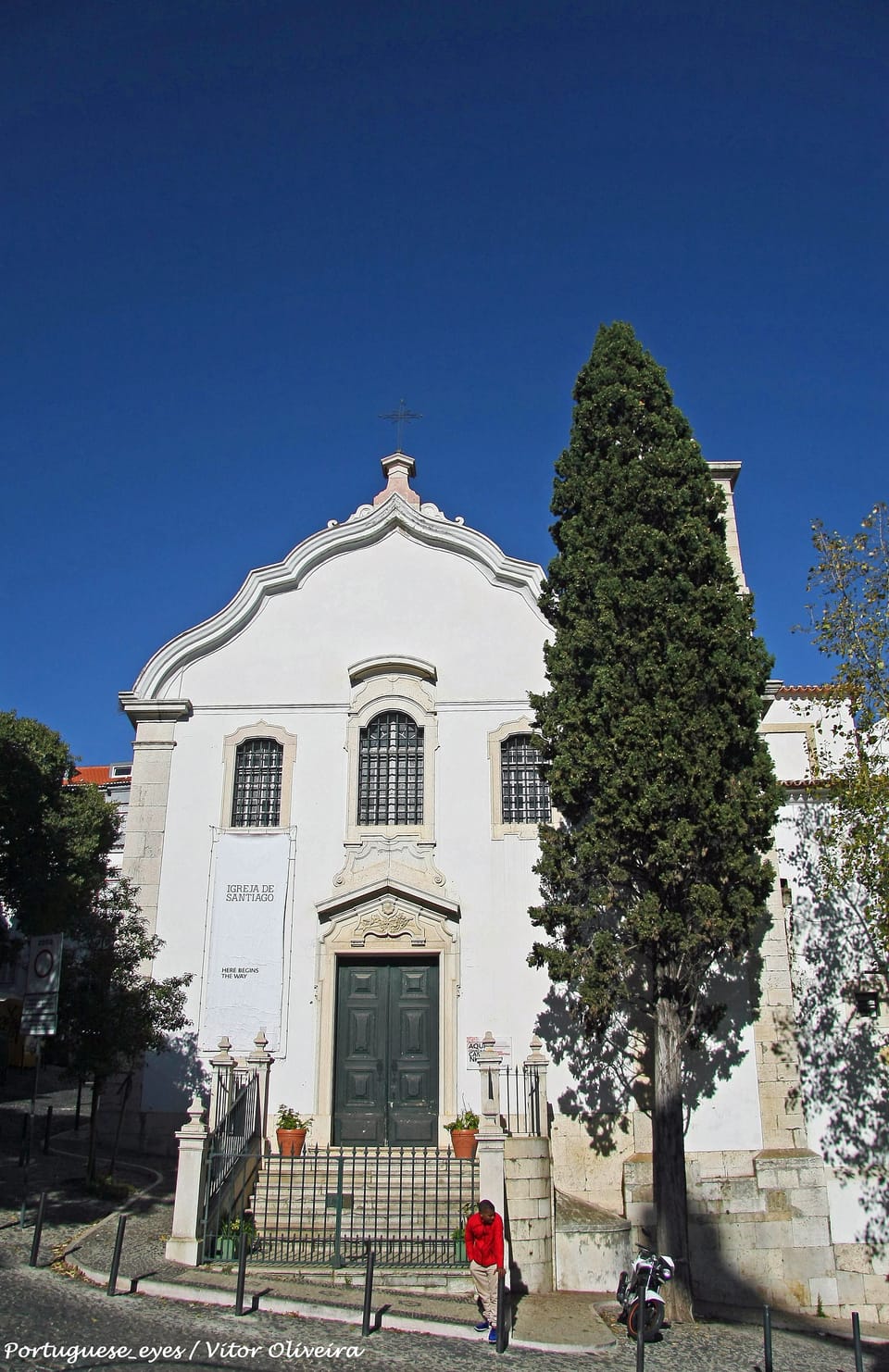
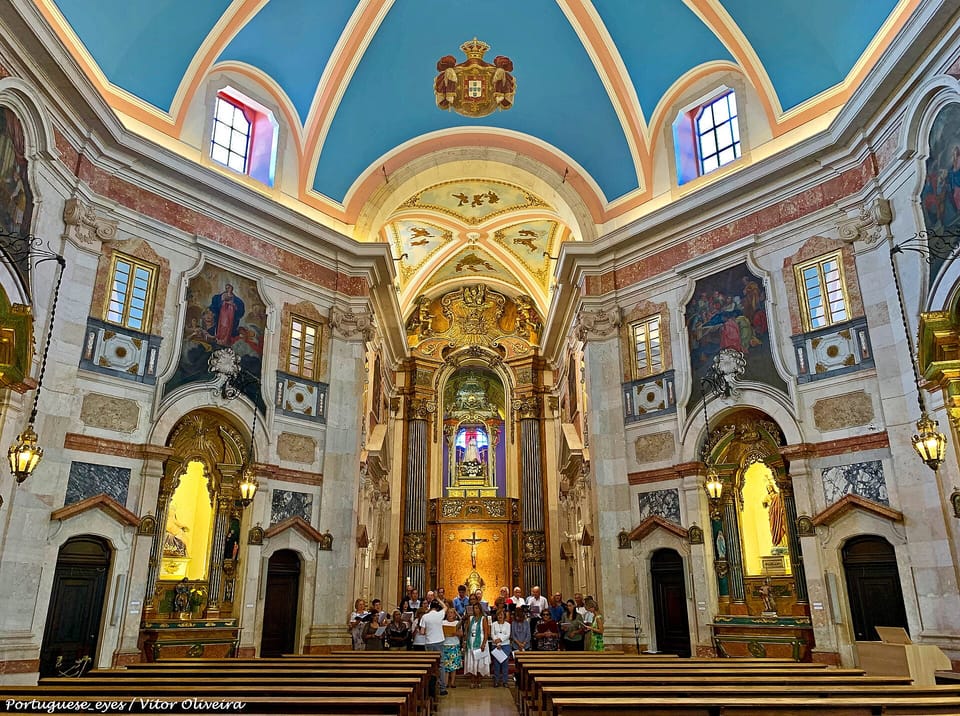
Church of Santiago Below the castle, the parish church of Santiago, built by João Nunes Tinoco (1668-1670); opening is limited.
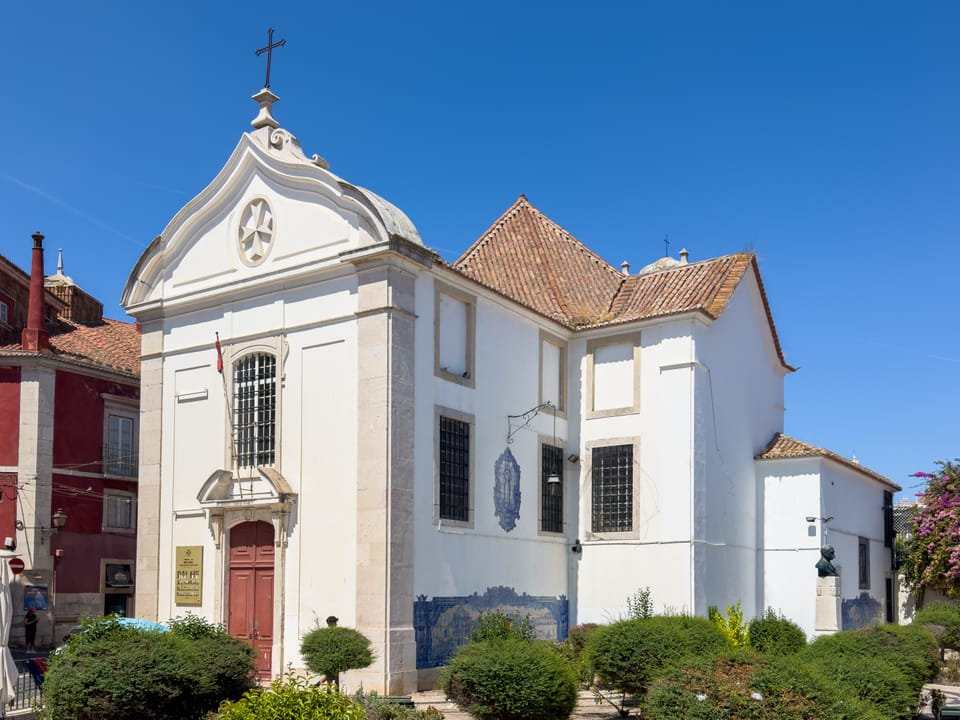
Santa Luzia Church Beside the Santa Luzia viewpoint, an eighteenth-century Latin-cross church, a National Monument and seat of the Order of Malta in Portugal.
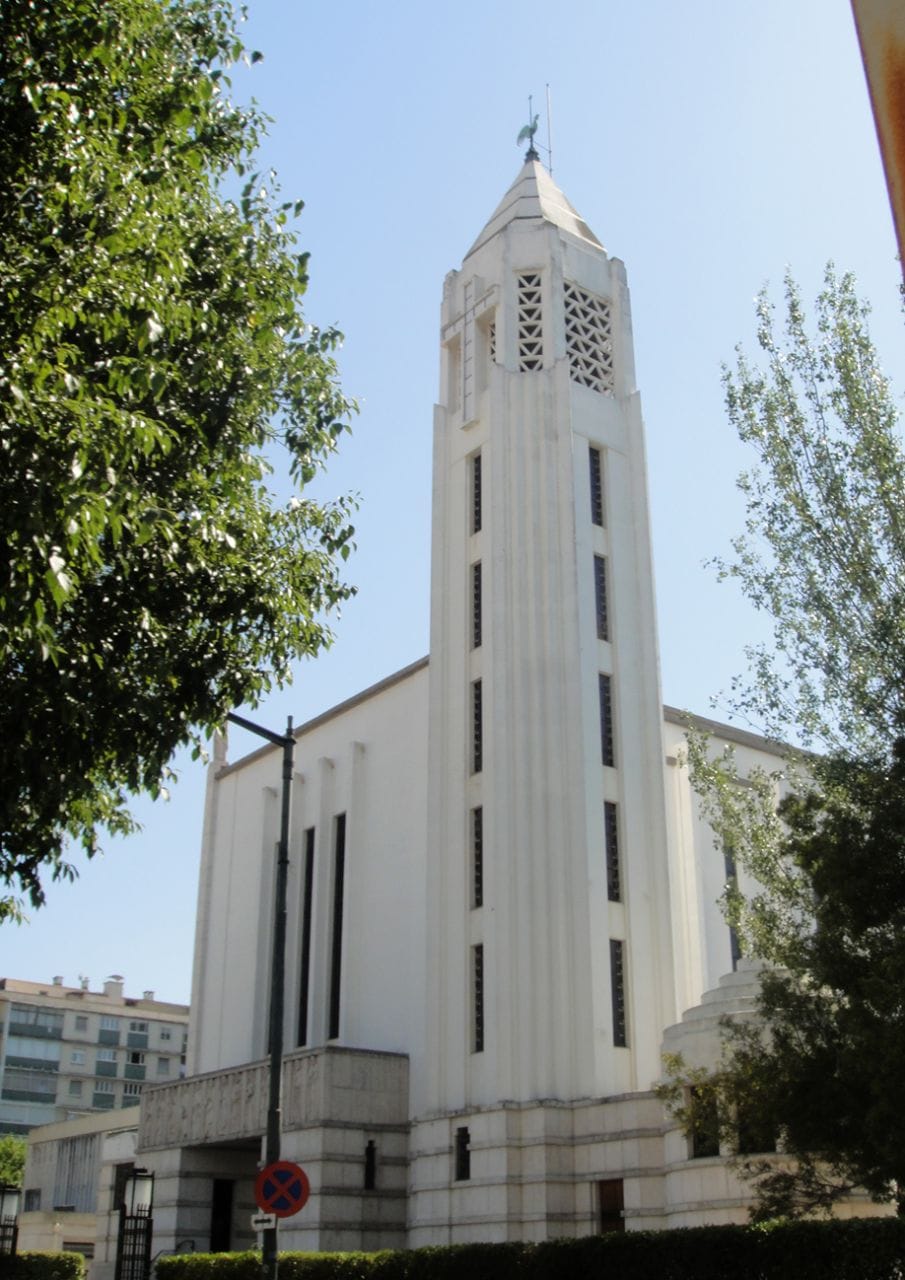
Church of Our Lady of Fátima In the Avenidas Novas, Pardal Monteiro's modernist church (1938), with stained glass by Almada Negreiros and Francisco Franco's apostolate.
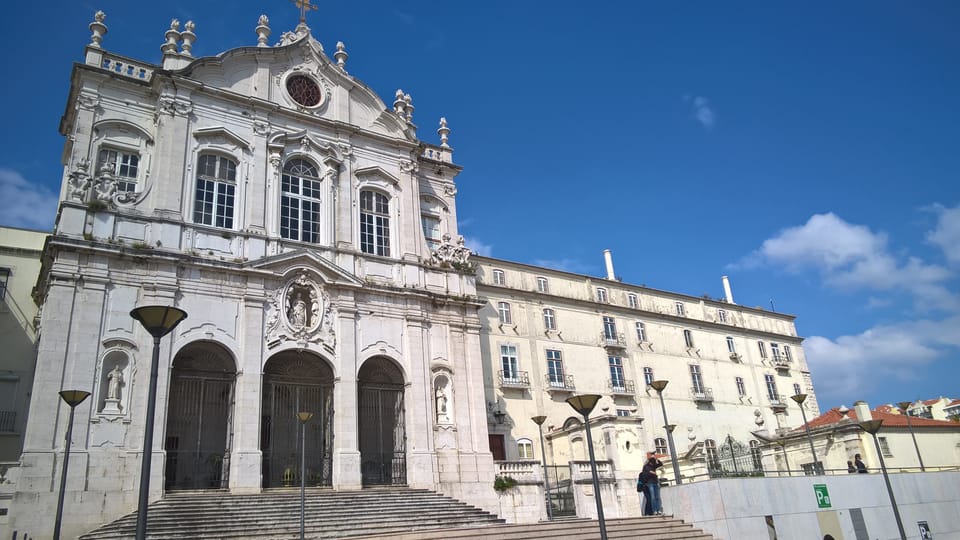
Mercês Church On Largo de Jesus, the parish church of the former Convent of Jesus, with a vault of 1714 azulejos by António de Oliveira Bernardes.
Penha de França Church Parish church on the Penha de França hilltop, founded in 1597 to a design by Teodósio Frias, beside the former convent.
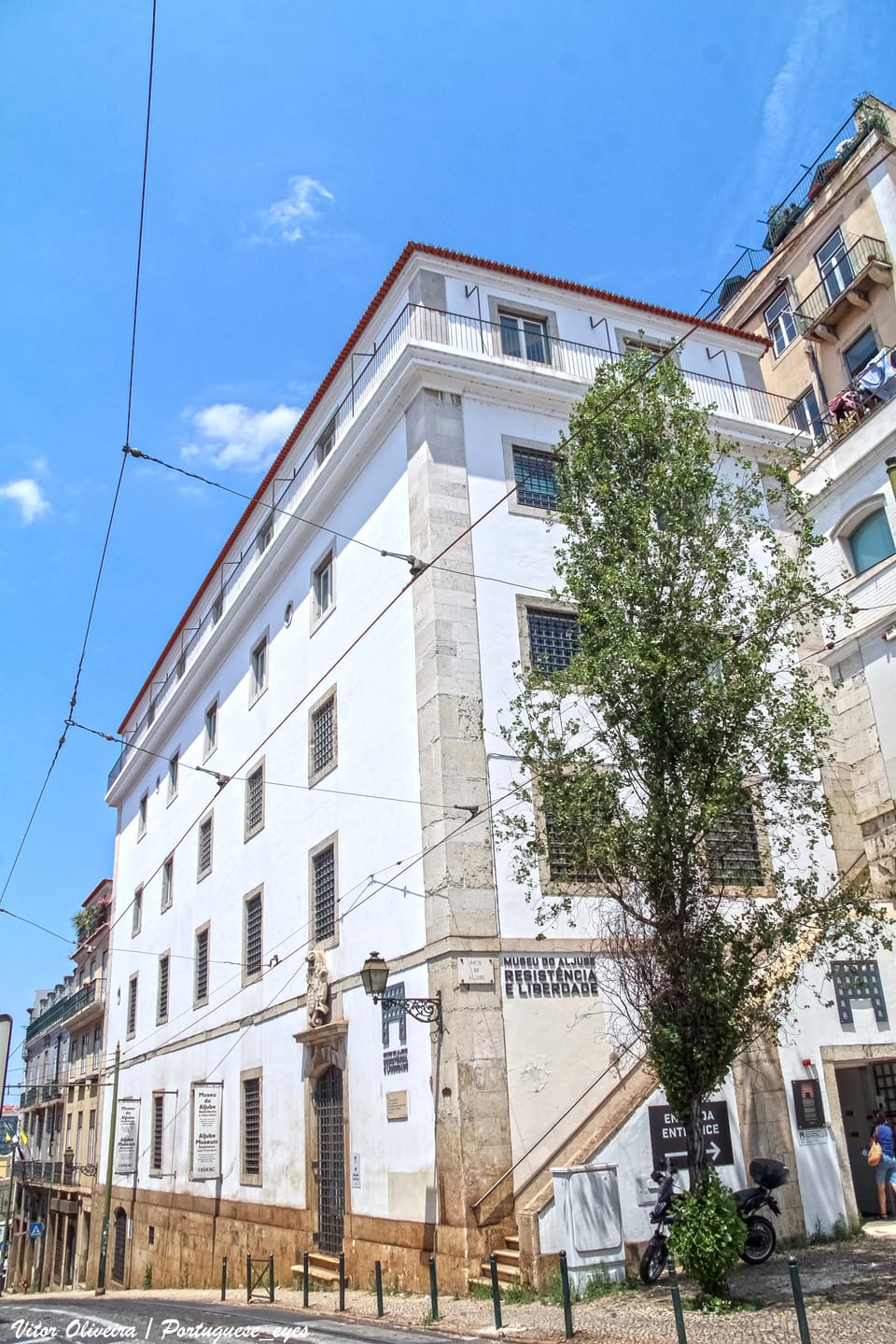
Aljube Museum In the former political prison by the Cathedral, the memory of dictatorship, repression and resistance up to 25 April 1974.
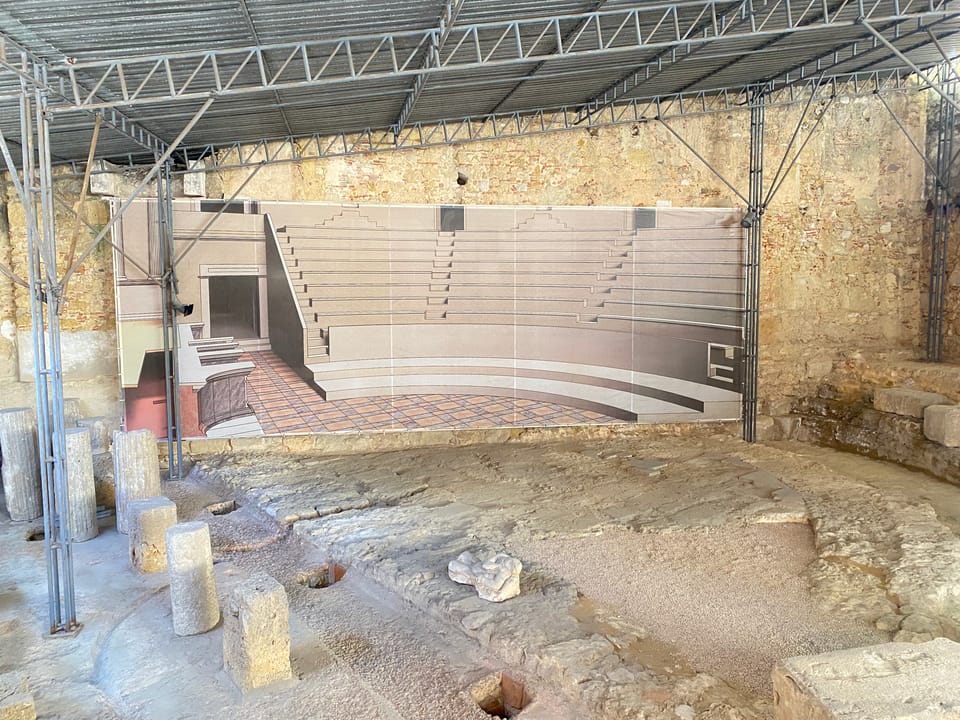
Museum of Lisbon – Roman Theatre Below the Castle, the ruins of Olisipo's 1st-century Roman theatre, found in 1798, and a site museum overlooking the Tagus.
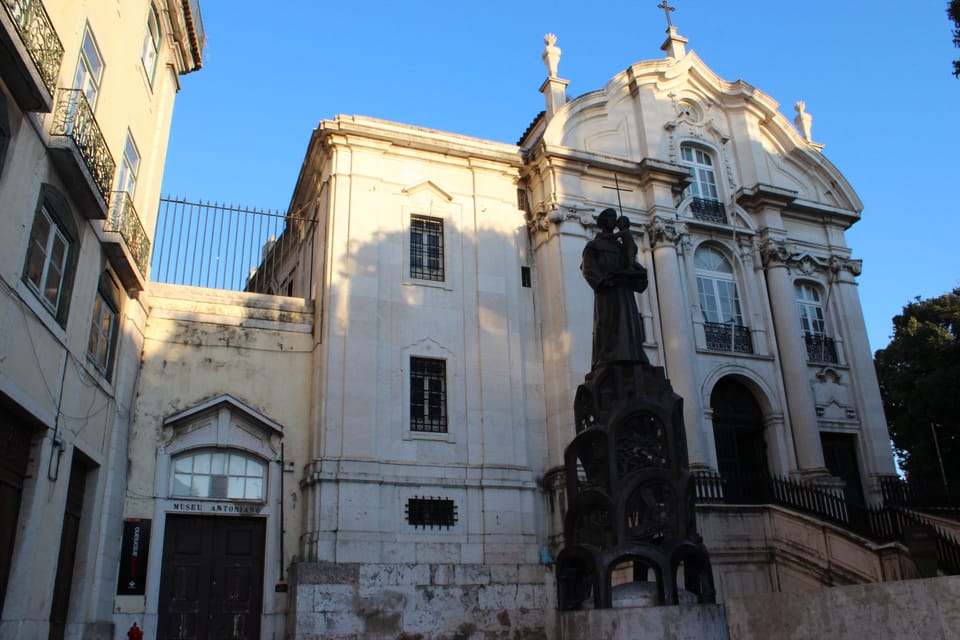
Museum of Lisbon – Santo António Beside the church on his traditional birthplace, the museum of Lisbon's patron saint, from devotion to the popular marches.
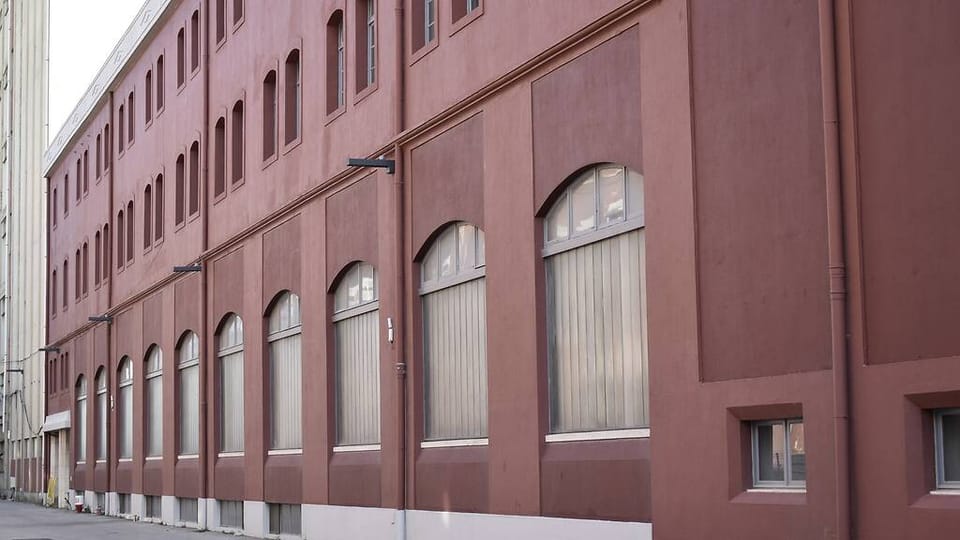
Lisbon Museum – Flour Mill In Beato, the 1897 army flour mill with a hundred restored machines; a future museum venue, open only for special visits.
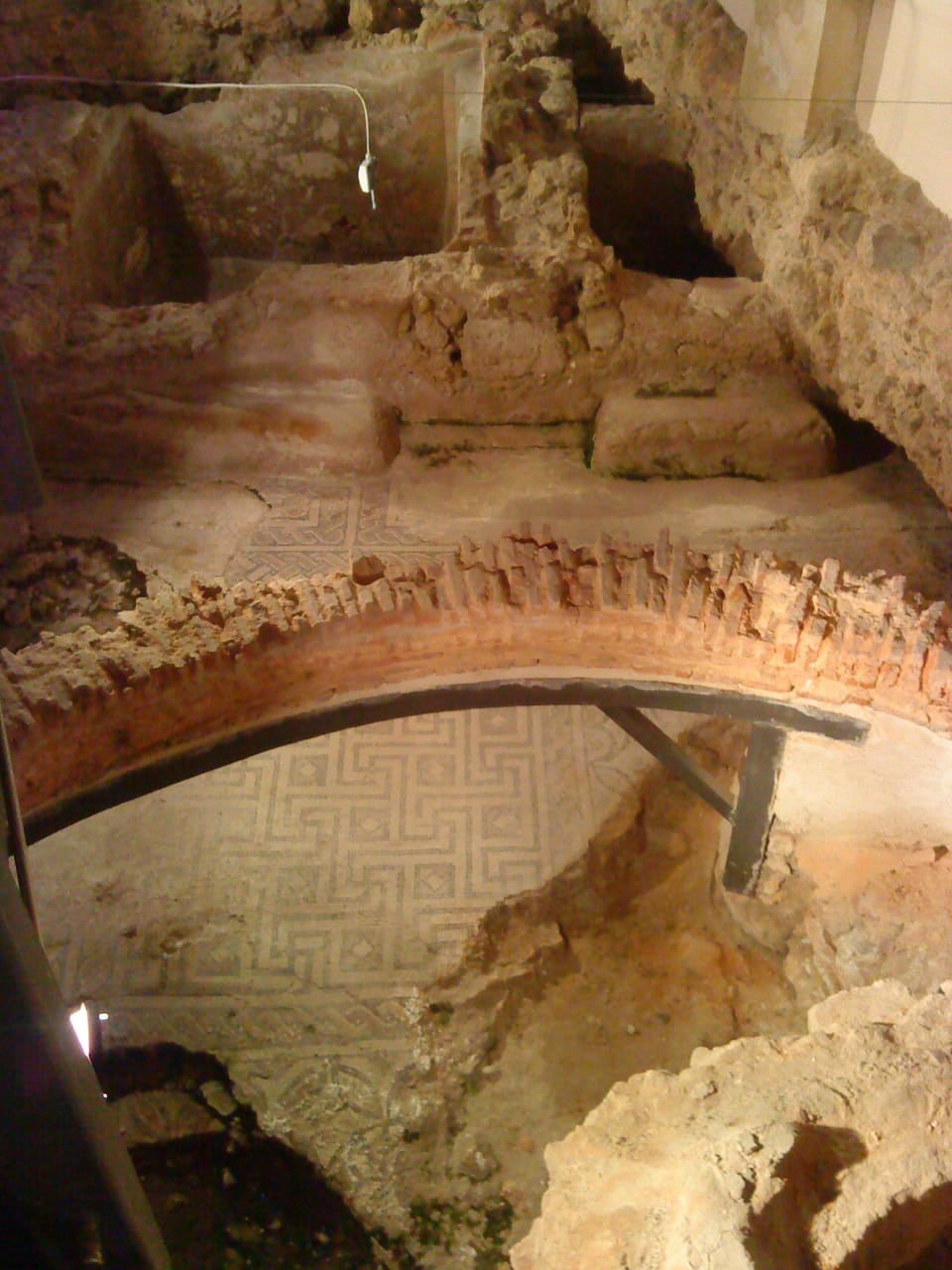
Rua dos Correeiros Archaeological Site Beneath the Baixa, 2,500 years of Lisbon in Iron Age, Roman, Islamic and Pombaline remains; guided tours by booking only.
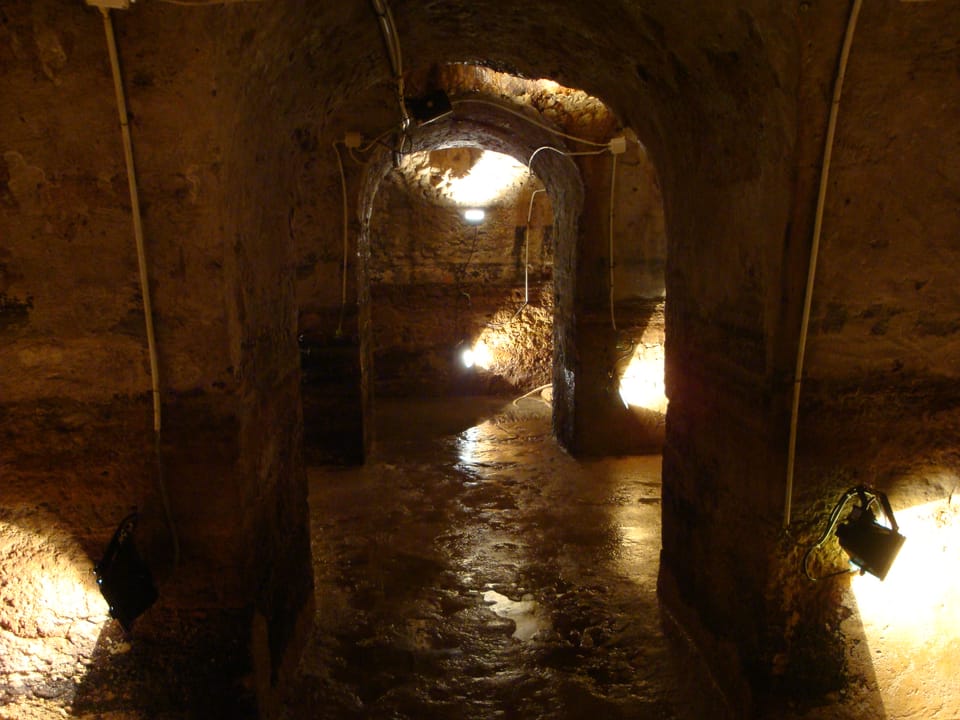
Roman Galleries of Rua da Prata A Roman cryptoporticus beneath the Baixa, open only a few days a year; there were no visits in 2026.
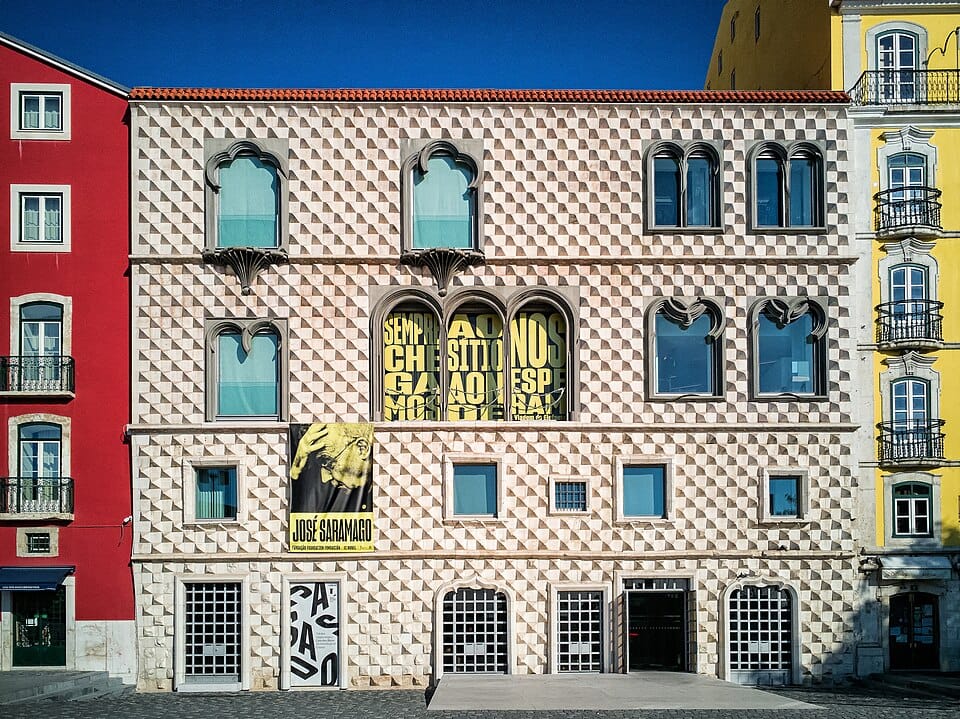
Casa dos Bicos In Brás de Albuquerque's sixteenth-century house with its diamond-point façade, Roman ruins and 2,000-year-old walls.