MAAT On the Tagus in Belém, the Tejo Power Station and Amanda Levete's building bring together art, architecture and technology.
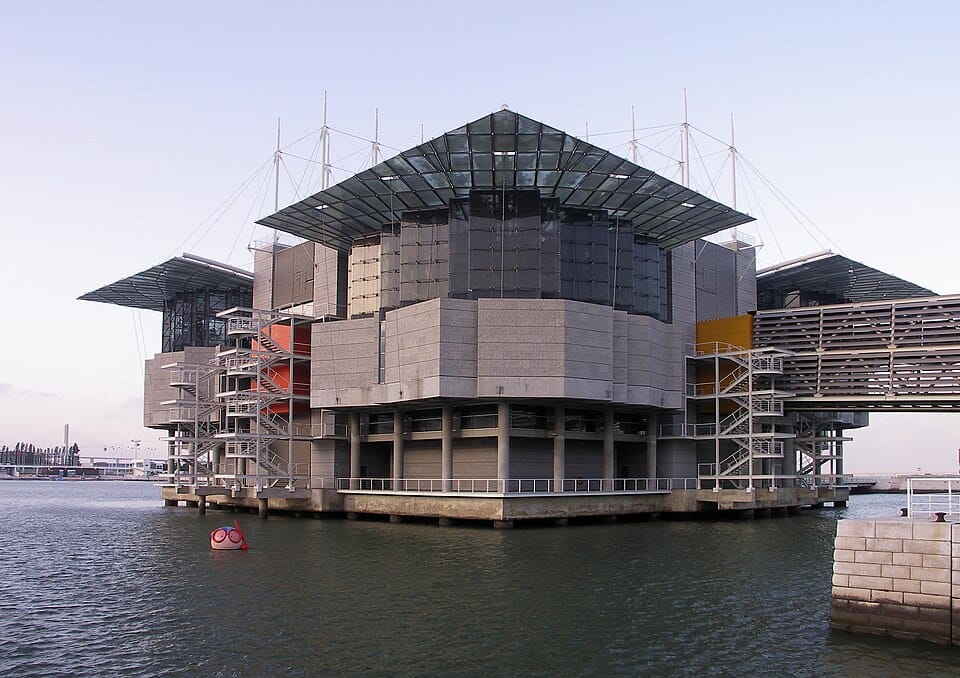
Lisbon Oceanarium In Parque das Nações, the former Oceans Pavilion of Expo'98, with a five-million-litre central tank and eight thousand animals.
MNAC - Museu do Chiado In Chiado, in a former convent: Portuguese art of the 19th, 20th and 21st centuries, from romanticism to the most experimental trends.
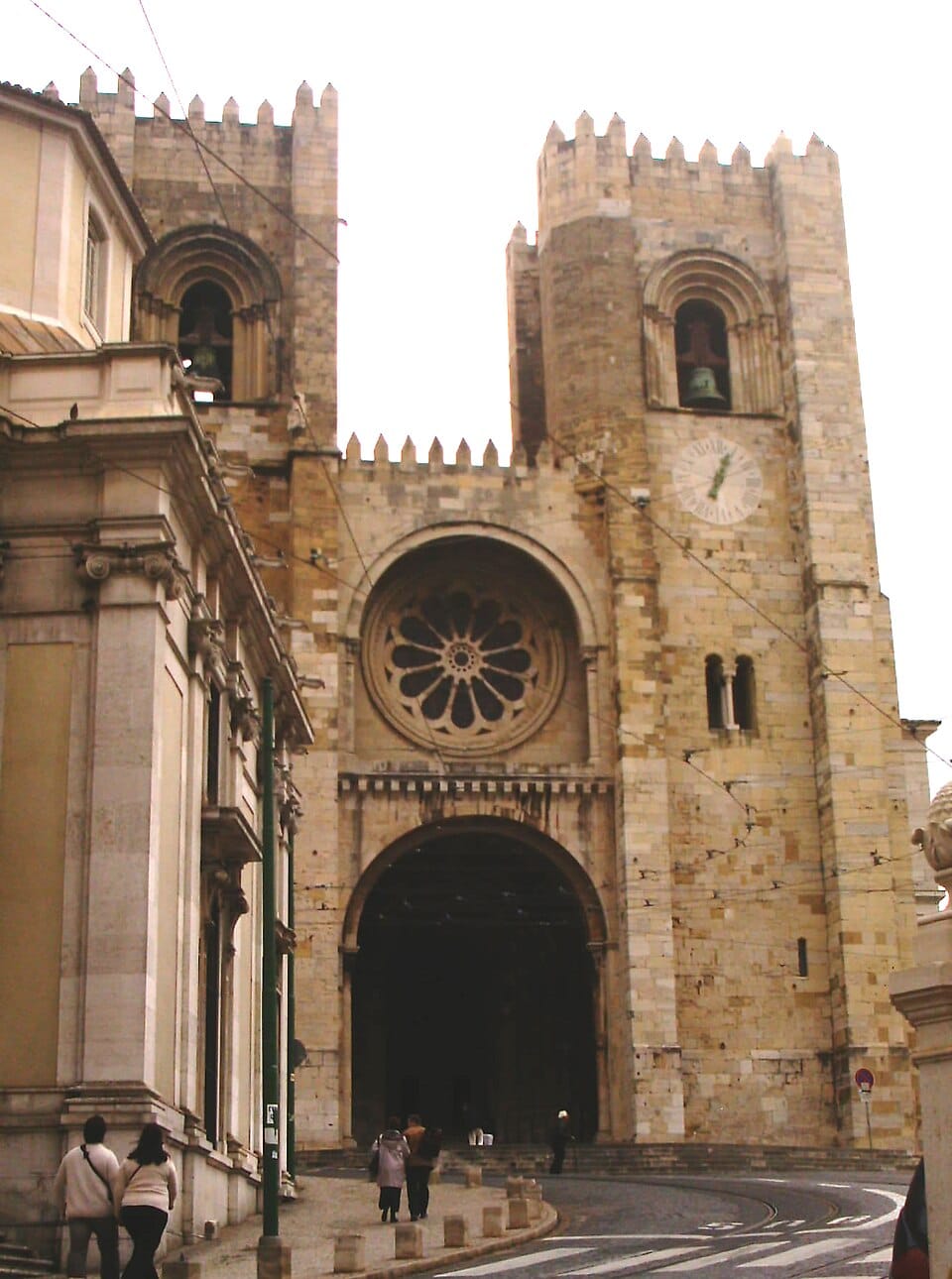
Lisbon Cathedral Lisbon's oldest church, begun in 1147, with its choir loft, walkway between the towers and the Treasury of the Patriarchal Monstrance.
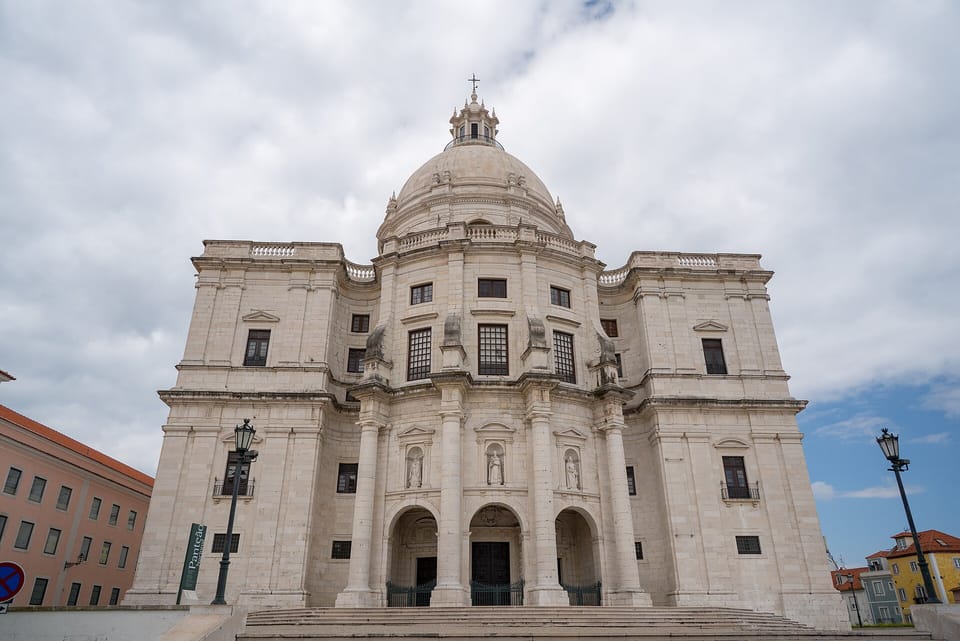
National Pantheon The dome of Santa Engrácia, a building that took three centuries to finish, and the place where Portugal honours Camões, Amália, Eusébio and Sophia de Mello Breyner.
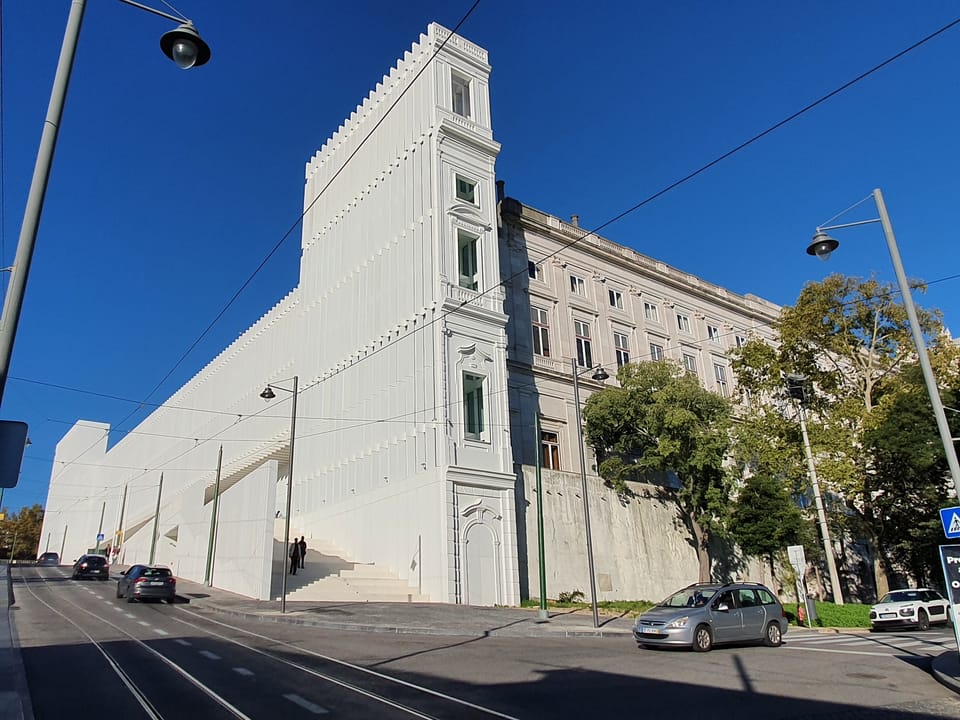
Ajuda National Palace High above Belém, the unfinished neoclassical palace that was home to the royal family until 1910, with rooms decorated by Queen Maria Pia.
Lisbon Zoo Since 1884, the first park of fauna and flora on the Iberian Peninsula, with some 2,000 animals of 300 species.
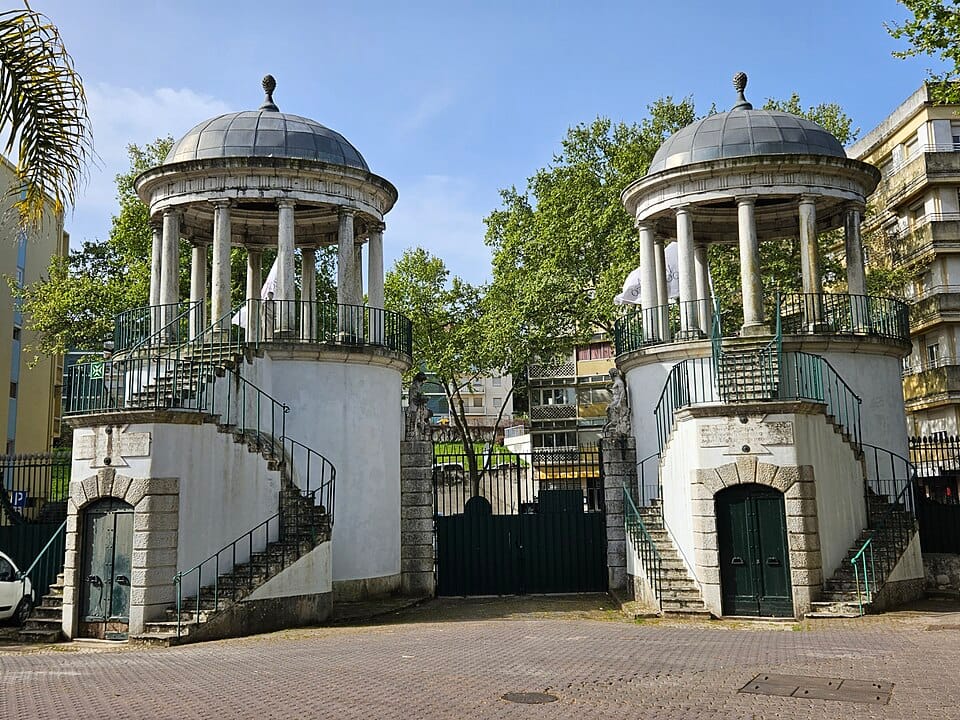
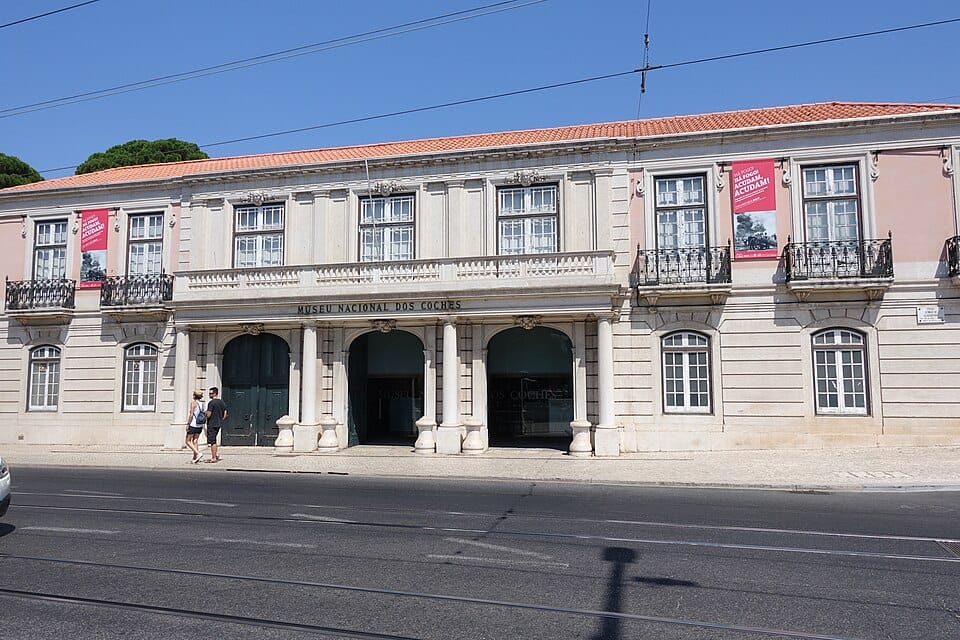
Royal Riding School In Belém, the 1787 riding hall where Queen Amélia opened the Coach Museum in 1905; closed for works since 2025.
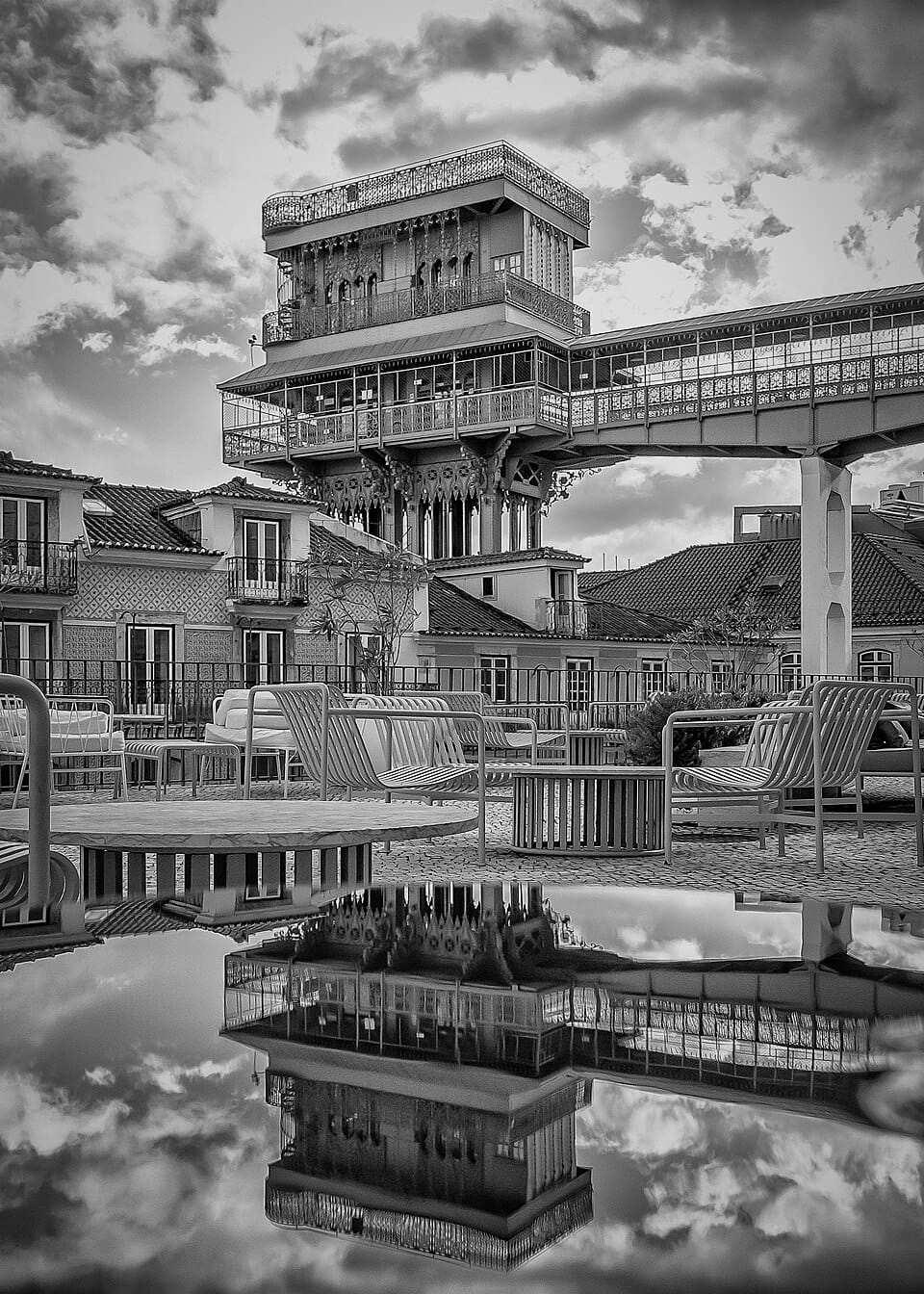
Santa Justa Lift In the Baixa, the neo-Gothic lift of 1902 rising to Largo do Carmo; temporarily closed since September 2025, with no reopening date.
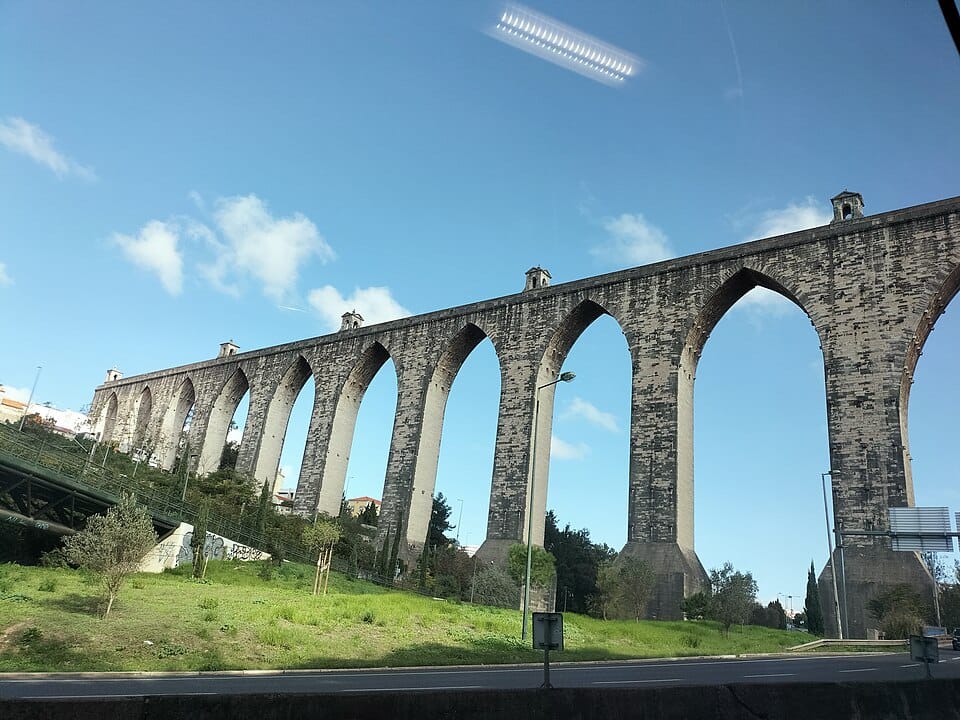
Águas Livres Aqueduct The 35 arches over the Alcântara valley, an 18th-century work that brought water to Lisbon and survived the 1755 earthquake.
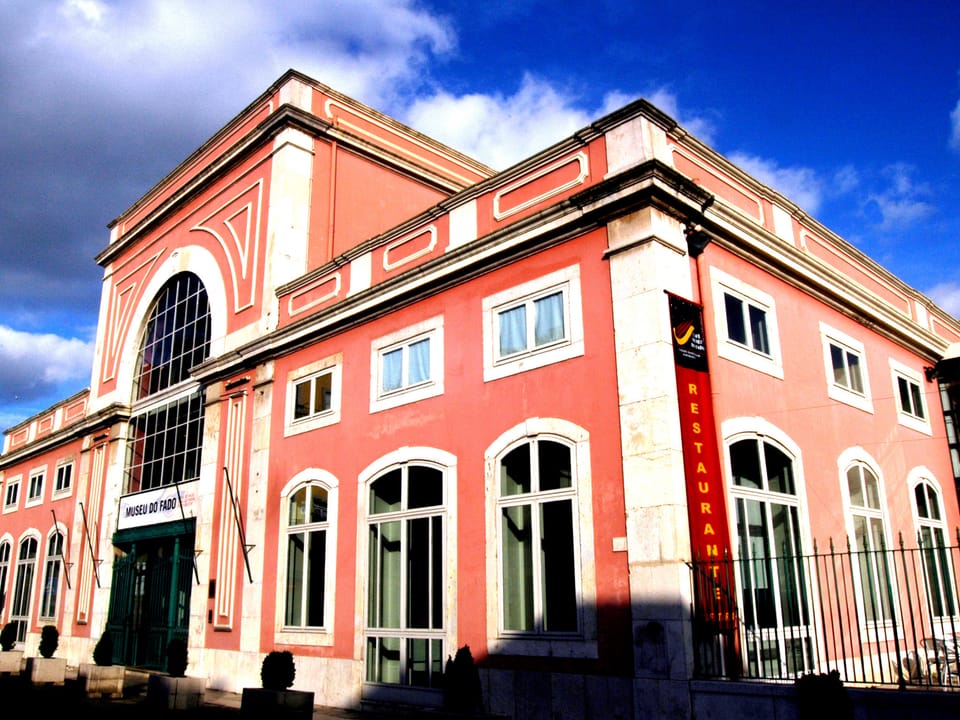
Fado Museum In Alfama, the museum devoted to fado, UNESCO Intangible Cultural Heritage: historical recordings, Portuguese guitars and portraits of Amália, Marceneiro and Carlos do Carmo.
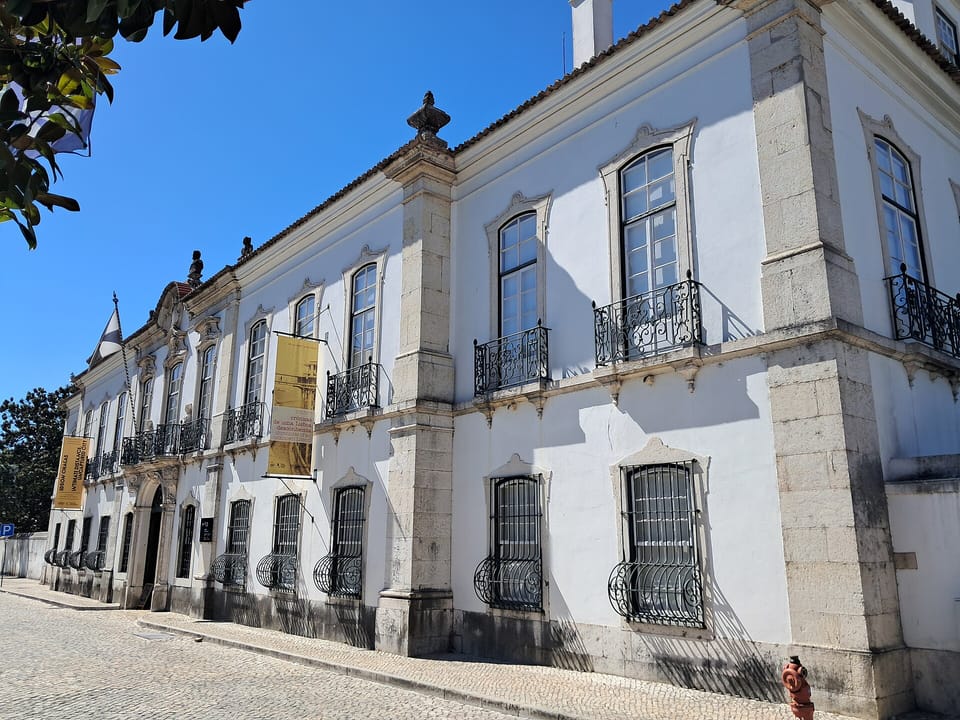
Lisbon Museum At the Palácio Pimenta, the story of Lisbon from the Palaeolithic to the 20th century, the model of the city before the Earthquake and a garden of peacocks and Bordalo ceramics.