Lisbon Museum
At the Palácio Pimenta, the story of Lisbon from the Palaeolithic to the 20th century, the model of the city before the Earthquake and a garden of peacocks and Bordalo ceramics.
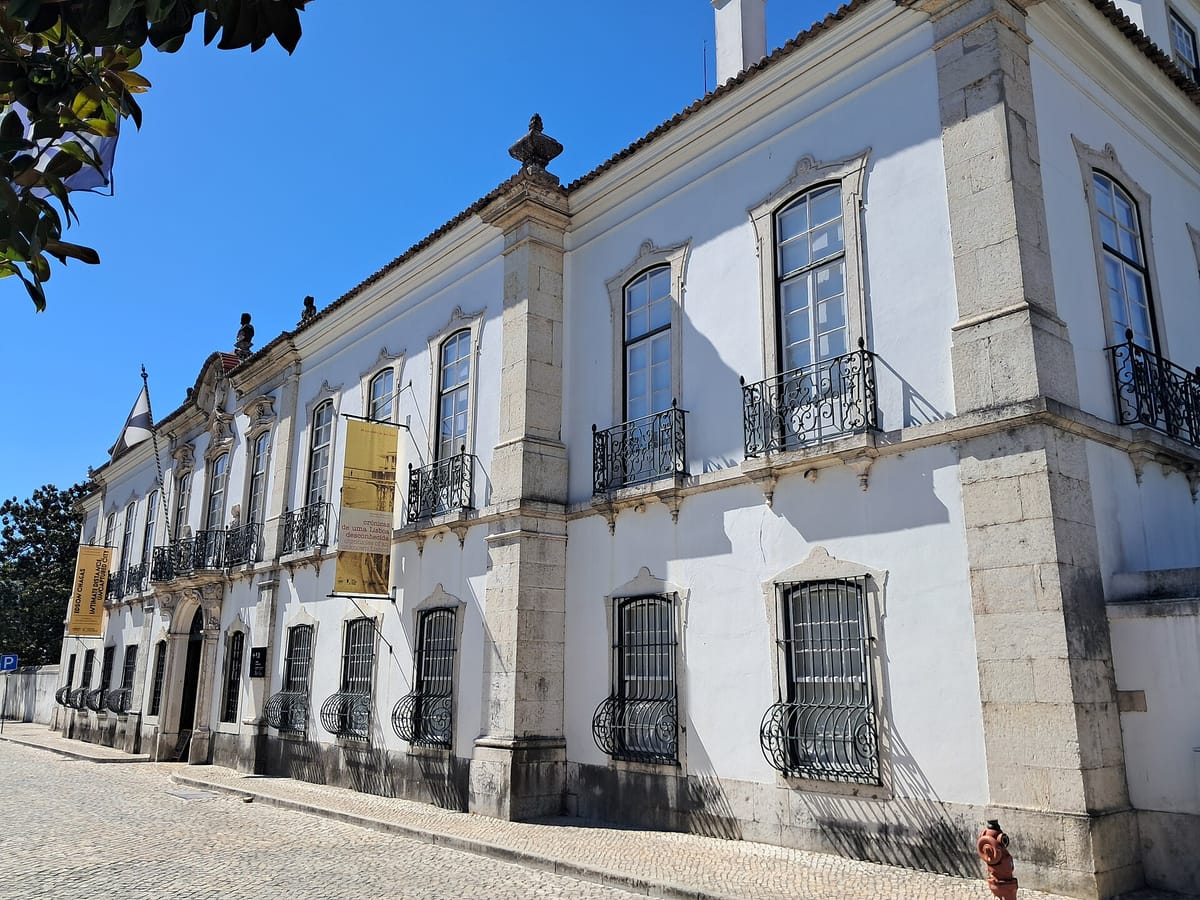
Palácio Pimenta
The Lisbon Museum tells the story of the city from the Palaeolithic to the end of the 20th century, and its main home is the Palácio Pimenta, in Campo Grande – "a palace where the whole city fits". The building is a summer palace from the first half of the 18th century, surrounded by what remains of an old country estate, and owes its name to one of its owners, Manuel Joaquim Pimenta. The idea of a municipal museum was born in 1909, under the first republican city council; the City Museum opened at the Palácio da Mitra in 1942 and, after the council bought the Palácio Pimenta in 1962, moved here, opening to the public in stages between 1979 and 1984. Since 2015 the Lisbon Museum has also included Santo António, the Roman Theatre, Casa dos Bicos and the Torreão Poente. Among the some 800 pieces in the permanent exhibition, the highlight is the large model of Lisbon before the 1755 Earthquake, with ten thousand miniature buildings. Peacocks roam the gardens, and the Bordallo Pinheiro Garden, by Joana Vasconcelos, is filled with Rafael Bordalo Pinheiro's ceramics.
Located at: Museu de Lisboa
Address: Campo Grande 245, 1700-091 Lisboa
Opening hours: 10:00-18:00 (closed on Mondays)
Phone: +351 217 513 200
Coordinates: 38.7584707, -9.1563869
Buses: 798, 750, 767, 701, 717, 736, 778, 747, 796, 731, 735, 738, 755, 783
Metro: Campo Grande (Yellow, Green)
Opened: 1909 (origins of the municipal museum, 117 years)