Tile Museum
In the Convent of Madre de Deus, five centuries of Portuguese tiles. Closed for refurbishment, with no reopening date yet.
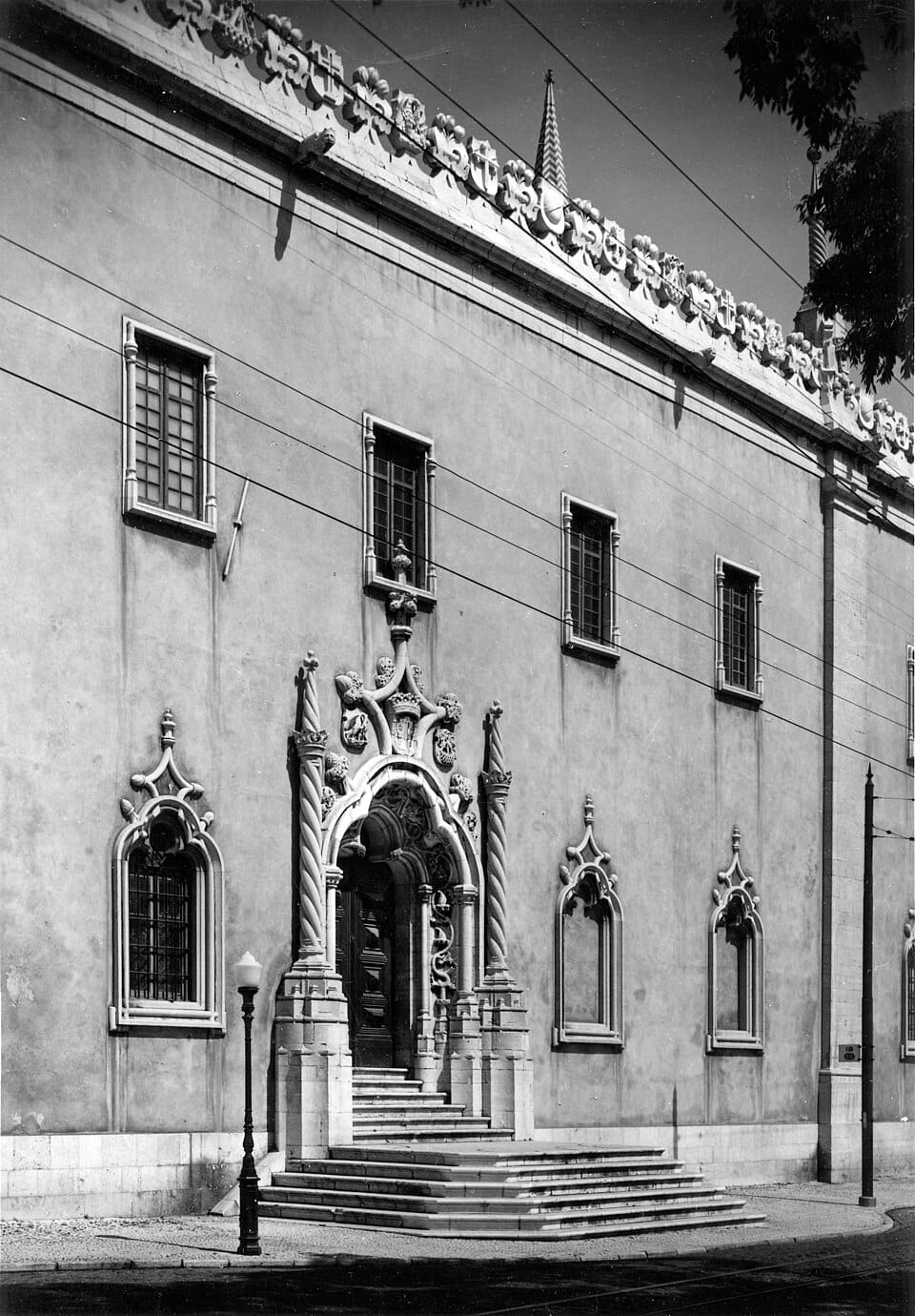
National Tile Museum – Convent of Madre de Deus
Created in 1965 and made a national museum in 1980, the National Tile Museum is housed in the former Convent of Madre de Deus, founded in 1509 by Queen Leonor, and the building itself is the first piece on the visit. From its successive building campaigns survive the 16th-century Mannerist cloister, the church, lined with tiles and paintings, the sacristy, with a vestment chest in Brazilian wood, the upper choir, with gilded woodcarving, and the Chapel of St Anthony, with 18th-century Baroque decoration and canvases by André Gonçalves. The collection follows tile production from the second half of the 15th century to the present day and also includes ceramics, porcelain and faience from the 16th to the 21st centuries; an opening section explains materials and manufacturing techniques, followed by a chronological route. Its national treasures include the Altarpiece of Our Lady of Life (1580), attributed to Marçal de Matos, the Leopard Hunt panel, the Dancing Lesson (c. 1707) by Willem van der Kloet, the Madre de Deus Nativity scene by António Ferreira, and the Great Panorama of Lisbon, attributed to Gabriel del Barco, which shows the city before the 1755 earthquake. The museum is closed for refurbishment works under the Recovery and Resilience Plan (PRR), with no reopening date announced; meanwhile, part of the collection can be seen in the Open Azulejo project at the Palácio da Calheta.
Located at: Museu Nacional do Azulejo
Address: Rua da Madre de Deus, 4, 1900-312 Lisboa
Opening hours: Closed for refurbishment works (PRR), no reopening date announced; usual hours: Tuesday to Sunday 10:00-18:00
Phone: +351 218 100 340
Coordinates: 38.7247242, -9.113914
Buses: 718, 742, 759, 794, 34B, 728, 37B, 781, 782
Opened: 1965 (61 years)