Gulbenkian Museum
From Ancient Egypt to Lalique, Calouste Gulbenkian's collection in a 1969 modernist building, reopened after renovation.
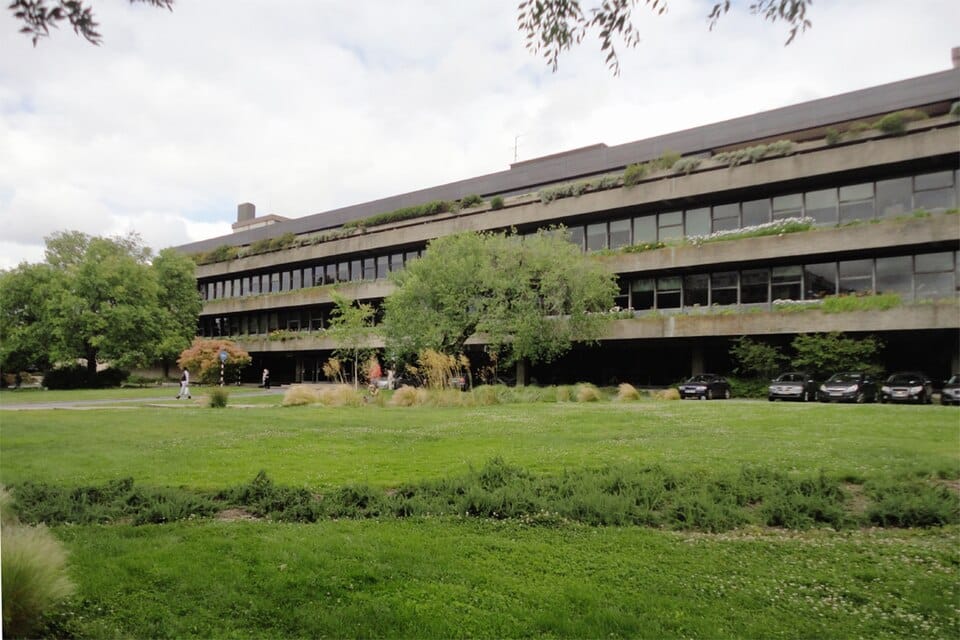
Calouste Gulbenkian Museum – Calouste Gulbenkian Foundation
Created to house the collection assembled over more than fifty years by Calouste Sarkis Gulbenkian, the museum opened in 1969, together with the Foundation's Headquarters, in the former Parque de Santa Gertrudes in Palhavã. The building was the result of a restricted competition held in 1959–1960 and won by the architects Ruy Jervis d'Athouguia, Pedro Cid and Alberto Pessoa, with the collaboration of the museologist Georges-Henri Rivière and the architect Franco Albini; awarded the Valmor Prize in 1975, it was classified as a national monument in 2010. Arranged around two interior gardens, the galleries follow two circuits: the first covers the art of Ancient Egypt, Greece, Rome and Mesopotamia, the Islamic East, Armenia and the Far East; the second is devoted to European art, from ivories and illuminated manuscripts to paintings by Rubens, Rembrandt, Turner, Manet, Degas, Renoir and Monet, by way of eighteenth-century French furniture and silverware, ending with the jewellery of René Lalique. Of the roughly six thousand works in the collection, some one thousand are on display. The museum reopened in 2026 after a year and a half of renovation works that restored the materials and atmosphere of the original design and added a new numismatics room.
Located at: Museu Calouste Gulbenkian
Address: Av. de Berna, 45A, 1067-001 Lisboa
Opening hours: Wednesday to Monday 10:00-18:00, Saturday until 21:00 (closed on Tuesdays, 1 January, Easter Sunday, 1 May, 24 and 25 December)
Phone: +351 217 823 000
Coordinates: 38.7378228, -9.1535149
Buses: 716, 726, 756, 52B, 746, 713, 742
Metro: São Sebastião (Red, Blue), Praça de Espanha (Blue)
Train: Cintura Line, Entrecampos Station
Opened: 1969 (57 years)